
Introduction
Air pollution and poor air quality are growing problems in many cities. Even if you do not smoke, your lungs can still be at risk. In fact, rising air pollution and poor air quality can harm your lung health in many ways. According to the World Health Organization (WHO), air pollution causes millions of deaths each year. While many people know smoking is bad for the lungs, fewer realize that dirty air can be just as dangerous. This blog will explain how air pollution affects your lungs, even if you have never smoked.
What Is Air Pollution and Poor Air Quality?
Air pollution means harmful substances are present in the air we breathe. These can come from cars, factories, fires, and even dust. Poor air quality happens when these substances reach high levels. For example, smog, smoke, and tiny particles called PM2.5 are common air pollutants. These particles are so small that you cannot see them, but they can enter your lungs easily. In many cities, air quality can change daily, so it is important to stay informed.
How Air Pollution Affects Your Lungs (Even If You Don’t Smoke)
Many people think only smokers get lung problems. However, air pollution can damage healthy lungs too. When you breathe in polluted air, tiny particles and gases enter your airways. Over time, these can cause swelling and irritation. As a result, your lungs may not work as well as before. Even if you have never smoked, you can still develop breathing problems from poor air quality. Children, older adults, and people with asthma are at higher risk. But anyone can be affected.
Common Symptoms and Warning Signs
It is important to notice early signs of lung trouble. Some symptoms may appear quickly, while others take time. Watch for these warning signs:
- Coughing that does not go away
- Shortness of breath, even during light activity
- Wheezing or noisy breathing
- Chest tightness or pain
- Feeling tired more often
If you notice these symptoms, it may be due to air pollution. However, other health problems can cause them too. So, it is wise to talk to a doctor if you are concerned.
Long-Term Health Risks for Non-Smokers
Over time, breathing polluted air can lead to serious health issues. Even non-smokers can develop lung diseases. For example, long-term exposure can cause:
- Asthma or make existing asthma worse
- Chronic obstructive pulmonary disease (COPD)
- Lung infections, such as bronchitis or pneumonia
- Lung cancer, even in people who never smoked
- Heart disease, as air pollution also affects blood vessels
According to the CDC, air pollution increases the risk of lung cancer in non-smokers. Therefore, it is important to protect your lungs, no matter your smoking history.
Diagnosis and Monitoring of Lung Health
If you are worried about your lungs, doctors can help. They may use simple tests to check how well your lungs work. For example, a spirometry test measures how much air you can breathe in and out. Sometimes, doctors may order a chest X-ray or other scans. Regular check-ups can catch problems early. If you live in an area with poor air quality, ask your doctor about lung health screenings.
Prevention and Protective Measures
While you cannot control the air outside, you can take steps to protect yourself. Here are some tips:
- Check daily air quality reports in your area
- Stay indoors when pollution levels are high
- Use air purifiers at home if possible
- Keep windows closed on bad air days
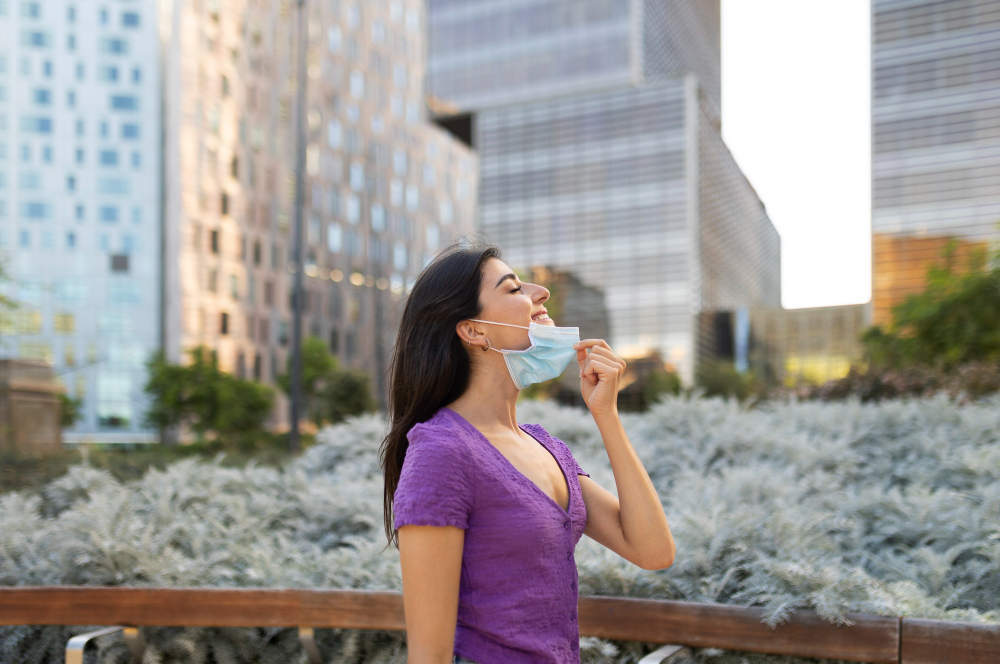
- Wear a mask if you must go outside during heavy pollution
These steps can help reduce your exposure to harmful air.
Lifestyle Tips for Cleaner Breathing
Besides avoiding polluted air, healthy habits can support your lungs. For instance, you can:
- Exercise indoors when outdoor air is poor
- Keep your home smoke-free
- Grow indoor plants that help clean the air
- Drink plenty of water to keep airways moist
- Eat a balanced diet rich in fruits and vegetables
These small changes can make a big difference in your lung health over time.
Conclusion
In summary, rising air pollution and poor air quality can harm your lungs, even if you do not smoke. Watch for symptoms, take steps to protect yourself, and keep your lungs healthy. Visit Krishna Vikash Hospitals for personalized advice on protecting your lungs from air pollution.