
What Is Acne?
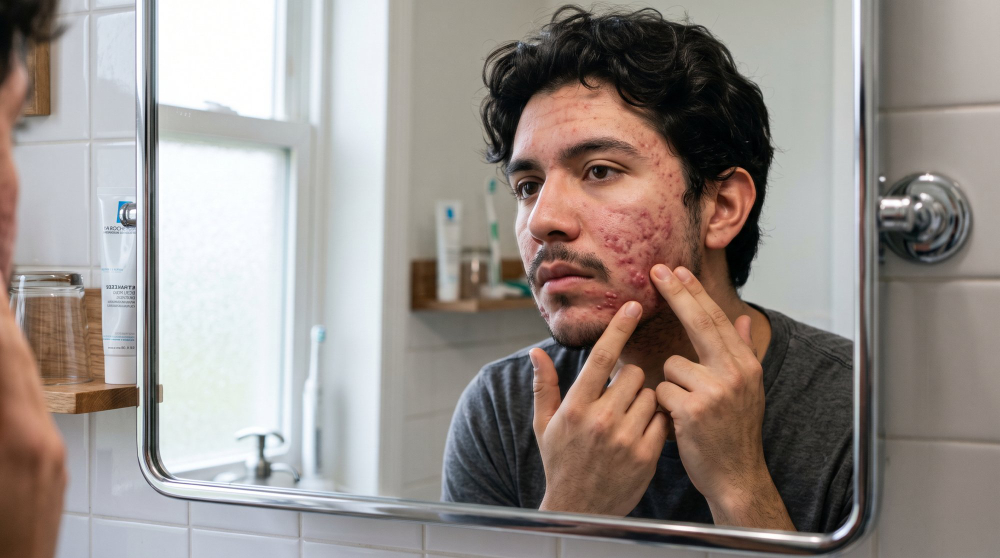
Acne is a common skin problem that affects people of all ages. It shows up as pimples, blackheads, or whiteheads. While it often appears on the face, acne can also affect the back, chest, and shoulders. For many, acne causes stress and can lower self-confidence. According to the World Health Organization, acne is one of the most common skin conditions worldwide.
Although anyone can get acne, teenagers and young adults are most likely to have it. However, some adults also struggle with breakouts. Understanding acne helps you manage it better and prevent future pimples.
Common Causes of Acne
Many factors can trigger acne breakouts. Some causes are inside your body, while others come from outside. For example, changes in hormones or certain habits can make acne worse. Here are some main acne triggers:
Because everyone is different, acne triggers may not be the same for each person.
Why Do Breakouts Happen?
Breakouts start when hair follicles, or tiny holes in the skin, get clogged. Oil, dead skin cells, and bacteria can build up inside these pores. As a result, pimples or blackheads form. Sometimes, the skin around the pore becomes red and swollen.
In addition, touching your face or picking at pimples can spread bacteria. This can make acne worse. According to dermatology research, certain medications or medical conditions may also cause breakouts. For example, some birth control pills or steroids can trigger acne.
Even changes in the weather can play a role. For instance, hot and humid climates can make your skin produce more oil, leading to more pimples.
How to Manage Acne
Managing acne breakouts takes time and patience. However, many treatments can help reduce pimples and prevent new ones. Here are some common ways to manage acne:
While it may be tempting, try not to pick or squeeze pimples. This can lead to scars or more breakouts.
Lifestyle Tips for Clearer Skin
Besides using the right treatments, healthy habits can help keep your skin clear. For example, making small changes in your daily routine can reduce acne triggers. Here are some clear skin tips:
Because everyone’s skin is different, you may need to try different tips to see what works best for you.
Preventing Future Breakouts
Preventing pimples is possible with the right steps. Although you may not stop every breakout, you can lower your risk. Here are some ways to help prevent future acne:
According to the Centers for Disease Control and Prevention, good hygiene and healthy habits are key to managing acne. If you have trouble controlling breakouts, consider seeing a dermatologist for expert advice, consult at Krishna Vikas Hospital.