
Genetics in respiratory diseases is a growing topic in health care. Many people wonder how their genes affect their breathing and lung health. In this blog, we will explain what respiratory diseases are, how genetics play a role, and what you can do to protect your health. Understanding these facts can help you and your family make better choices for your well-being.
What Are Respiratory Diseases?
Respiratory diseases are illnesses that affect the lungs and airways. These diseases can make it hard to breathe. Some are mild, while others can be serious. For example, asthma and chronic obstructive pulmonary disease (COPD) are common types. Infections like pneumonia also fall under this group. However, not all breathing problems are the same. Some are caused by germs, while others may be linked to your genes.
According to the World Health Organization (WHO), respiratory diseases are a leading cause of illness worldwide.
How Genetics Influence Respiratory Health
Genetics means the traits you inherit from your parents. These traits can affect your risk for certain diseases. In fact, genes can make you more likely to develop some respiratory diseases. For example, if your parents have asthma, you may have a higher risk too. But, genes are not the only factor. The environment and lifestyle choices also matter. Still, knowing your family history can help you understand your risk.
Because of these reasons, genetics in respiratory diseases is an important area of research.
Common Genetic Respiratory Diseases
Many respiratory diseases have a genetic link. Some are rare, while others are more common. For instance, cystic fibrosis is a well-known genetic lung disease. Asthma also has a strong genetic part. Even COPD can run in families, especially when linked to a rare gene problem called alpha-1 antitrypsin deficiency. Knowing about these diseases can help you spot early signs.
However, not everyone with these genes will get sick. Other factors also play a role.
Diagnosis and Genetic Testing
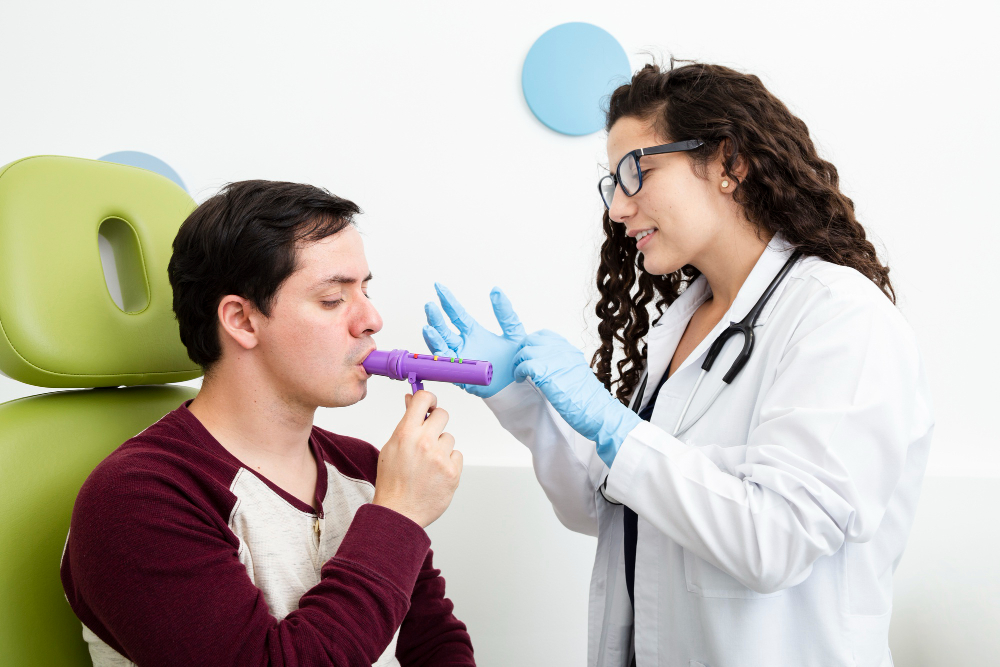
Doctors use several tests to find out if you have a genetic respiratory disease. Sometimes, they ask about your family history. Other times, they may suggest genetic testing. This test looks for changes in your DNA. Early diagnosis can help you get the right treatment. For example, newborns are often screened for cystic fibrosis. If you have a family member with a genetic lung disease, talk to your doctor about testing.
Because early detection is key, do not wait to seek help if you have symptoms.
Treatment Options and Lifestyle Guidance
Treatment for genetic respiratory diseases depends on the type and severity. Some people need daily medicine, while others may need special therapies. For instance, people with cystic fibrosis often use airway clearance techniques. In addition, healthy habits can make a big difference. Even if you have a genetic risk, you can take steps to protect your lungs.
Always follow your doctor’s advice for the best results.
Prevention and Early Detection
While you cannot change your genes, you can lower your risk of problems. Early detection is important. For example, regular check-ups can catch issues before they get worse. If you know you have a family history, tell your doctor. This helps them watch for early signs. In addition, avoiding triggers like smoke and pollution can help keep your lungs healthy.
Because prevention is easier than treatment, start healthy habits early.
Latest Research and Future Directions
Researchers are learning more about genetics in respiratory diseases every year. New studies look for better ways to find and treat these conditions. For example, gene therapy is a new area of hope for diseases like cystic fibrosis. In addition, scientists are studying how genes and the environment work together. As research grows, more people may benefit from personalized treatments. According to the CDC, early research can lead to better outcomes for families in the future.
Stay informed about new advances by talking with your healthcare provider.
If you notice any of these symptoms, consult our specialist from the Pulmonary Department at Krishna Vikash Hospitals. Our specialist offers personalized care to help protect you and your family from respiratory-related issues and support your overall health. Timely treatment is key.