
What is COPD in Non-Smokers?
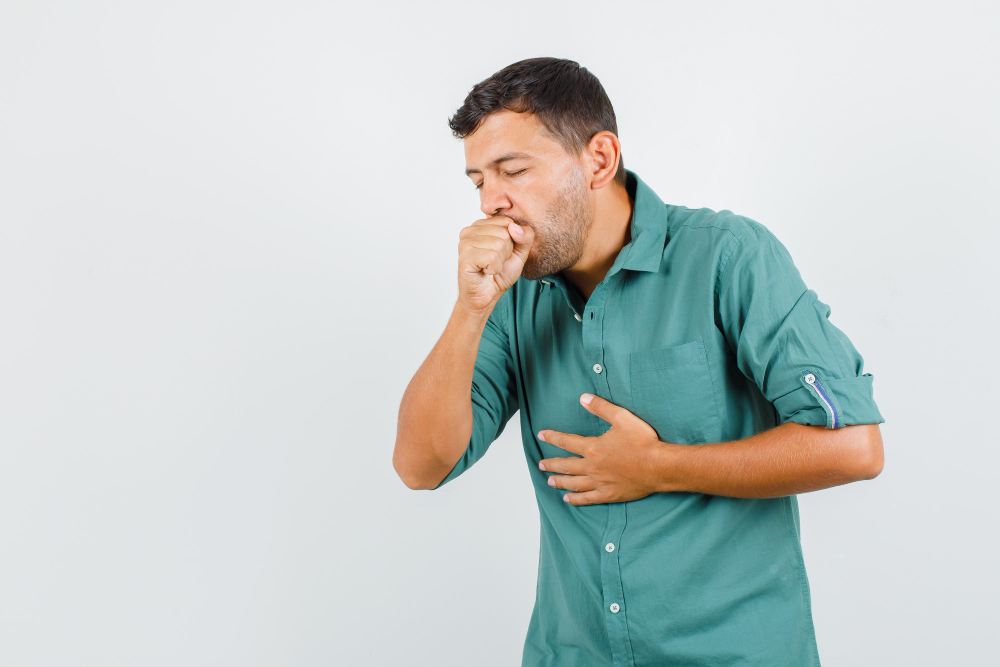
Chronic Obstructive Pulmonary Disease (COPD) is a lung condition that makes it hard to breathe. Many people think only smokers get COPD. However, COPD in non-smokers is also common. In fact, about 25% of people with COPD have never smoked. According to the World Health Organization (WHO), air pollution and other factors can also cause this disease. Because of this, it is important to know the risks, early signs, and ways to prevent COPD if you don’t smoke.
Key Risk Factors for COPD in Non-Smokers
Even if you have never smoked, you can still develop COPD. Several risk factors increase your chances. Knowing these can help you stay alert and protect your lungs.
- Long-term exposure to air pollution: Living in areas with high pollution can damage your lungs over time.
- Secondhand smoke: Breathing in smoke from others, even at home or work, raises your risk.
- Workplace dust and chemicals: Jobs in factories, construction, or farming may expose you to harmful particles.
- Indoor air pollution: Using wood or coal for cooking or heating indoors can harm your lungs, especially if the area is not well-ventilated.
- Genetic factors: Some people inherit a rare condition called alpha-1 antitrypsin deficiency, which can lead to COPD.
- Respiratory infections in childhood: Frequent lung infections as a child may increase your risk later in life.
Early Signs and Symptoms to Watch For
Recognizing the early signs of COPD in non-smokers can help you get treatment sooner. Early care can slow the disease and improve your quality of life. Look out for these symptoms:
- Shortness of breath, especially during daily activities
- Chronic cough that does not go away
- Wheezing or noisy breathing
- Frequent chest infections
- Feeling tired or weak more often than usual
Sometimes, these signs are mild at first. However, they can get worse over time. If you notice any of these symptoms, it is wise to talk to your doctor.
Prevention Tips for Non-Smokers
While you cannot control every risk, you can take steps to lower your chances of getting COPD if you don’t smoke. Here are some helpful tips:
- Stay away from secondhand smoke whenever possible
- Use masks and proper ventilation if you work around dust or chemicals
- Keep your home well-ventilated, especially when cooking or heating
- Check local air quality reports and limit outdoor activities on high-pollution days
- Get regular check-ups, especially if you have a family history of lung disease
- Make sure children get vaccines to prevent lung infections
By following these steps, you can help protect your lungs and reduce your risk of COPD in non-smokers.
When to Seek Medical Advice
It is important to act early if you notice signs of COPD. Early treatment can help you breathe better and stay active. You should see a doctor if you:
- Have a cough that lasts more than a few weeks
- Feel short of breath doing everyday tasks
- Notice wheezing or chest tightness
- Get frequent chest infections
Doctors can run simple tests to check your lung health. They may suggest treatments or lifestyle changes to help you feel better.
If you notice early signs of COPD or have concerns, consult Krishna Vikas Hospital for personalized guidance from a pulmonology specialist.